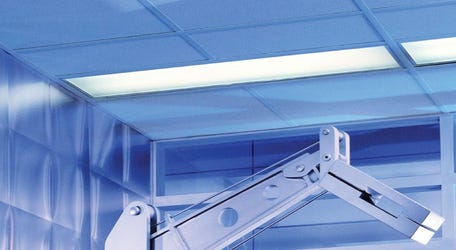
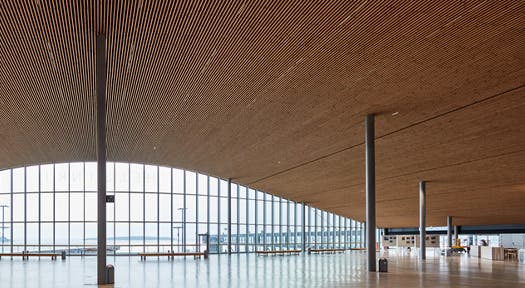
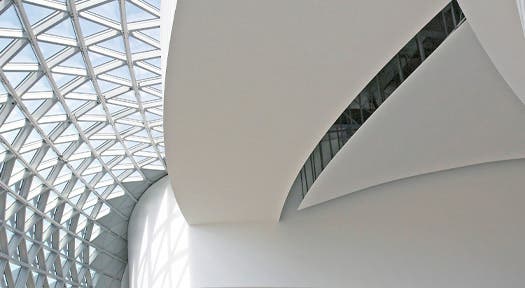
USG ME modular ceiling systems bring together acoustic performance, accessible installation and flexible design for commercial and public interiors. The range includes acoustic ceiling tiles, mineral fibre and soft fibre products, gypsum tiles, metal systems and wood wool options, helping architects and contractors select a ceiling according to acoustics, appearance, durability and project conditions.
From a conventional suspended ceiling with removable tiles to high-performance acoustic options for offices, healthcare, education, retail and other demanding spaces, the USG ME portfolio provides multiple materials, edges, sizes and performance levels. Designers can compare mineral fibre, glass wool, stone wool, gypsum, metal and wood wool modular systems instead of relying on one ceiling material for every application.
Modular Ceiling Systems for Acoustic Performance and Design Flexibility
A modular ceiling uses individual ceiling tiles or panels installed within a supporting suspension system. Because individual modules can be selected and accessed separately, this format gives project teams flexibility when coordinating acoustics, lighting, HVAC and services located above the ceiling.
USG ME provides several modular ceiling categories for different performance and design requirements. These include mineral fibre ceiling tiles, soft fibre solutions made from glass wool and stone wool, metal ceiling systems, gypsum ceiling tiles and Skynest® wood wool ceilings.
This variety allows specifiers to consider more than appearance when choosing a ceiling. Sound absorption, sound attenuation, humidity conditions, maintenance, light reflectance, fire-performance requirements, hygiene and access should all be reviewed against the needs of the project.
Acoustic Ceiling Tiles for Better Sound Control
Acoustic ceiling tiles are designed to help manage sound within an interior by absorbing sound energy and controlling unwanted reverberation. Depending on the product, ceiling performance may also include sound attenuation between adjoining spaces.
For example, USG ME's mineral fibre portfolio includes products designed around different NRC and CAC requirements, while its soft fibre range includes stone wool and glass wool ceiling solutions for projects requiring stronger sound absorption.
When comparing acoustic products, project teams should review both NRC and CAC where relevant. NRC relates to sound absorption within a space, while CAC is used when considering sound transmission through the ceiling system between spaces.
Choose Mineral Fibre, Soft Fibre, Metal or Gypsum Ceiling Tiles
There is no single ceiling material that suits every project. The most appropriate solution depends on the room function, acoustic targets, environmental conditions, visual requirements and ceiling-service strategy.
Mineral fibre ceilings provide a broad range of patterns, edge details and acoustic performance levels and are widely suited to commercial interiors. USG ME offers concealed, regular and regular mineral fibre tile formats, including products designed for humidity, hygiene and clean-room requirements.
Soft fibre ceilings use glass wool or stone wool substrates and are particularly useful where strong sound absorption is required. USG ME offers concealed, reveal and square-edge options across this category.
Metal ceilings provide another modular option where durability, maintenance access and different perforation or finish choices are important. USG ME's modular metal range includes Lay-In and Clip-In Celebretto® systems.
For projects where gypsum is preferred, gypsum ceiling tiles provide modular alternatives to a completely monolithic drywall ceiling. USG ME also offers separate acoustical gypsum board ceilings and monolithic systems when the design requires a different ceiling expression.
Suspended Ceiling Systems for Accessible Building Services
A suspended ceiling creates a secondary ceiling below the structural soffit, leaving space for services such as lighting, HVAC, electrical systems and other building components.
One of the practical advantages of modular false ceiling tiles is that individual tiles can often be removed or accessed without opening a large section of the ceiling. This can simplify inspection and maintenance where regular access to the plenum is required.
USG ME supports modular ceilings with dedicated ceiling suspension systems, including Lay-In and Clip-In configurations. In a Lay-In system, tiles rest on the supporting grid, while Clip-In panels connect into the suspension system to create a different visual and access arrangement.
How to Choose Ceiling Tiles for Your Project?
Start by defining what the ceiling must achieve before selecting a material or visual finish.
Consider:
Acoustic performance: Determine the required sound absorption and sound attenuation for the room.
Room use: Offices, classrooms, healthcare spaces, retail areas and public interiors may have different performance priorities.
Humidity conditions: Review whether the ceiling will be exposed to high humidity or intermittent heating and cooling.
Service access: Confirm how frequently lighting, HVAC and other systems above the ceiling will need to be accessed.
Surface requirements: Consider cleaning, washability, impact resistance and hygiene where relevant.
Ceiling appearance: Compare tile texture, colour, edge detail, perforation and grid visibility.
Fire requirements: Use the relevant project specification and product documentation when fire-rated performance is required.
Suspension compatibility: Confirm that the selected tile and grid system are designed to work together.
Do not select ceiling boards, tiles or panels only by size or appearance. Product composition and system performance can vary considerably, so technical datasheets should be checked before final specification.
Modular Acoustic Ceilings for UAE Commercial Interiors
Ceiling selection in UAE projects can involve demanding acoustic, maintenance, humidity, design and operational requirements. A modular system gives architects and consultants the flexibility to choose different performance characteristics according to the space rather than applying the same ceiling specification throughout an entire building.
For spaces where acoustic control is a priority, mineral fibre and soft fibre products can provide different combinations of sound absorption and attenuation. Where the design brief prioritises metal finishes, perforations or accessibility, acoustic metal ceilings provide another option. Projects looking for a more natural material expression can also consider wood wool ceiling panels from the Skynest® range.
For projects requiring a continuous rather than tiled appearance, USG ME also provides monolithic acoustic ceiling systems, helping specifiers choose between modular accessibility and a seamless architectural finish.
Why Choose USG ME Modular Ceiling Solutions?
USG ME brings multiple ceiling materials and suspension approaches together within one modular ceiling portfolio. This helps architects, consultants, contractors and designers compare products based on the actual needs of the room, including acoustics, environmental conditions, maintenance, finish and access.
The modular range is also supported by dedicated Lay-In ceiling suspension systems and Clip-In ceiling suspension systems, allowing the ceiling panel and supporting grid to be considered as part of a complete system rather than as separate components.